
What Is Community Economic Development and Why Does It Matter?
One project can put several parts of a local economy to work at the same time. Businesses take on jobs, people bring the skills those jobs require, and existing services help make the work possible. Community economic development considers how that activity fits with what is already available locally and what the community needs. Other needs may emerge as that activity develops.
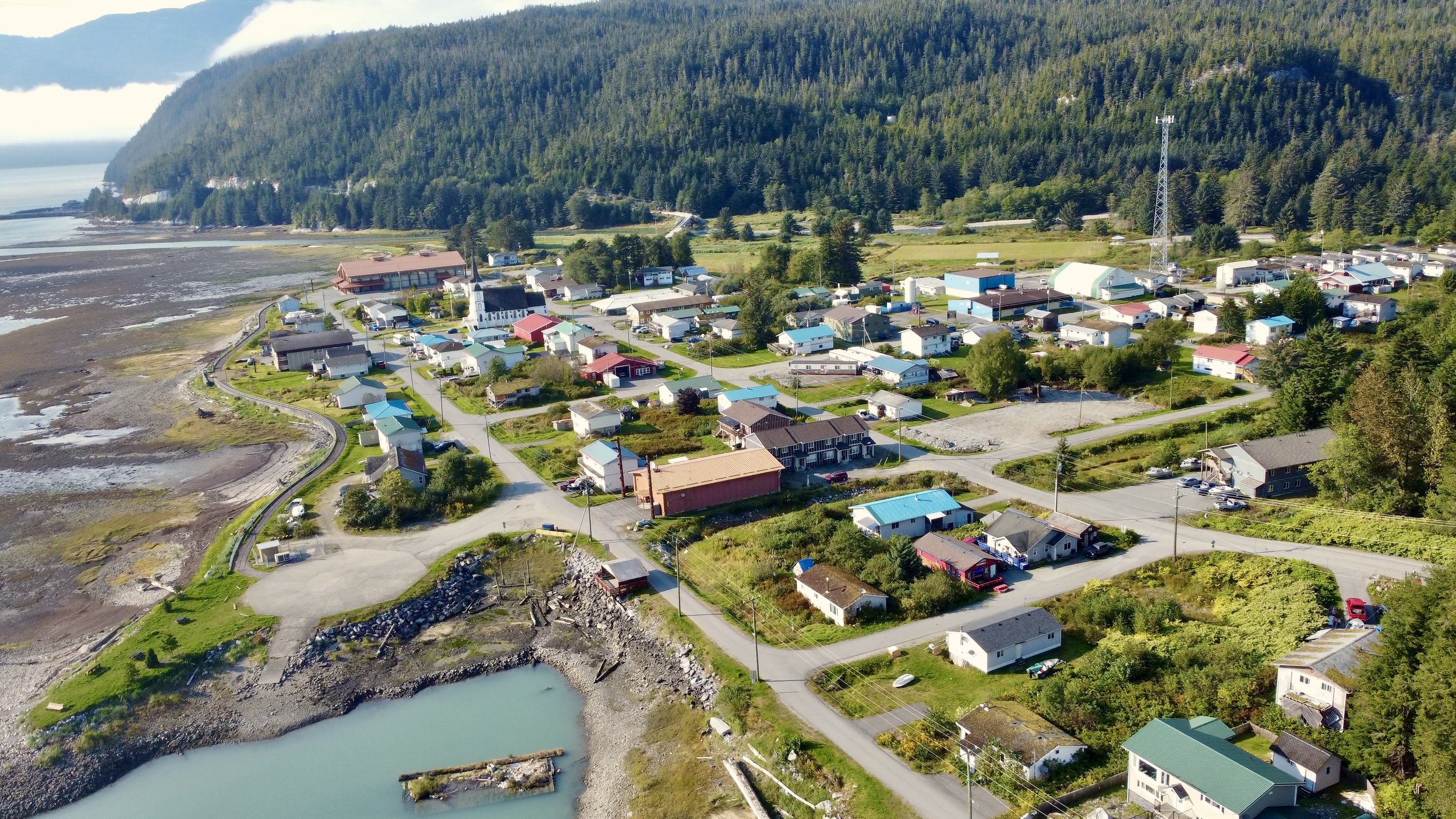
Looking at the local economy this way matters because a project rarely stands on its own. Who gets involved will depend on the work, the skills it calls for, and the businesses available to take part. In Gingolx, those factors can shape how the community takes part in projects and business activity across the region.
How Community Economic Development Works
The starting point is different from one community to another. Existing businesses, available skills, local services, and the work already happening in the area all affect what can realistically be built on. From there, new projects or business activity can draw on what is available and reveal where something else is needed.
Needs can also change once work is underway. A project might expose a gap in local services, create demand for a particular skill, or give an existing business a reason to take on different work. The exact mix will depend on the community and the type of economic activity taking place.
For GEL, this broader view is relevant to its role as the economic development arm of the Gingolx Village Government. Through that role, GEL provides a point of contact between Gingolx and companies interested in doing business in the area.
How Infrastructure Supports Local Economic Activity
Before work can begin at a site, people, equipment, and materials have to be able to get there. That can make road access, transportation, and site preparation practical requirements rather than background details. Without the right access or a workable site, even a planned project can face limits on what can actually be done.
The infrastructure required also changes with the location and the work being done. A remote project may depend heavily on transportation and site access, while another may require excavation or road construction before other work can begin. This makes infrastructure part of the conditions surrounding a project rather than a separate consideration.
GEL's projects in Northwest British Columbia include heavy transport, site preparation, and road construction. Depending on the job, that work can involve preparing a site, creating access, or moving what is needed before the next stage can proceed.
The Role of Businesses, Employment, and Skills
Operators, drivers, tradespeople, and other workers may all be needed on a construction job, depending on the work involved. Some may be hired directly, while others take part through businesses providing services to the project. The jobs available can shift as that work changes.
Working on a project brings experience that cannot come from a job description alone. Equipment, work processes, schedules, and job-site expectations become familiar through doing the work firsthand. Over time, that experience can expand the range of work a person is prepared to handle and add to the skills available within the local workforce.
For a business, the people available to do the work can affect which jobs it is equipped to take on. Delivering construction and excavation services, for example, depends on having workers with the skills required for the equipment and tasks involved. Local experience can therefore become part of a company's working capacity.
Why Partnerships and Investment Matter
A business may have the experience for one part of a job but not the equipment, technical knowledge, or specialized service needed for another. Working with another organization can fill that gap without requiring either party to handle every part of the project. What each brings to the job will vary with the work involved.
Money presents a separate question. A project may have the people and expertise behind it but still need funding before planned work can begin. Where that investment goes can affect which projects move forward and when.
For GEL, Indigenous partnerships are one way the Gingolx community works with industry leaders and contractors on opportunities in the region. They place GEL within the broader network of businesses and organizations involved in regional projects.
Connecting Economic Development to Gingolx
In Gingolx, those different parts of economic development can show up through the work happening across the region. A project may involve local workers, businesses, infrastructure, outside expertise, or investment at different stages. GEL's role gives the community a way to take part in that activity as opportunities arise.
How that happens will depend on the work itself. It could involve a local business providing services, workers joining a project, or GEL working with organizations that have a reason to be active in the region.
For companies interested in discussing a project, partnership, or other way to engage with the Gingolx community, connect with our team.